Different plane types
There are many different plane types each with their own unique capability’s. There are two main different types of aircraft with them being put in broad categories that might not fit every plane. A few known ones are Commercial Airliners, Military Aircraft, and Private Aircraft.
Civilian Aircraft
There are many different types of civilian aircraft which range from airliners that fly across the world to little Cessnas that you could even fly. The most well known civilian aircraft are commercial jets.
Commercial Aircraft’s/ Jets
There are two main types of commercial aircraft which are airliners and civilian private use. The main difference between these aircraft is the size. One of the smallest airliners is the Boeing 737-800 which can hold up to a maximum capacity of 189 people while a common civilian private use plane like the Cessna Skyhawks 172 can hold a maximum of 5 people. As well as capacity the 737-800 is 40m in length as compared to 8.28m of the 172.
There are many civilian airliners in the aviation industry that fly everyday. They can range from the small E2-175 which holds 90 to the Airbus A380 at a capacity of over 800 depending on the configuration. These planes fly many routes a day especially the small city hoppers planes like the E2-175, 737, and A320 which are the most common small airliners. Many of them fly up to a possible fours times a day depending on the route that they are set to, each time unloading baggage/loading baggage and filling up on A1 jet fuel for the next trip they take. On the other hand there’s the massive twin jet wide body airliners that fly one long haul route a day like the A380, 777, and A350. These fly some of the longest routes possible with the longest being with Singapore Airliners that flys from New York to Singapore which takes 18-19 hours of flight time on the Airbus A350-900ULR.
Then there’s the difference between Airbus and Boeing which is the largest battle in the aviation industry. Boeing was the original powerhouse back in the 50s and 60s before airbus came into the picture in the 70s. Boeing started off with 707 in the 50s as their first commercial jet airliner which was very successful. Other European company’s at the time had their own jet airliners which performed well but not to the same standard as the 707. Over the years Boeing released different variants of the plane and then released the 717, 727, 737, and then the iconic 747 in 1969 which gave them dominance for years. In 1970 Airbus was formed and released their first plane the A300. Airbus released multiple variants of the A300 and they started the A320 family in 1987 which was to directly compete with Boeings 737 family. The A320 became very successful and started gaining significant market share in single isle jet liners. Going into the 2000s they both had a duopoly on the market each roughly holding half the market. The A320 family and 737 series became the best selling airliners with the A320 eventually surpassing the 737 in the mid 2000s. In 2019 Boeing faced some troubles with the 737 MAX having two crashes in the span of four months which set back their public image and overall brand because of the investigation into why it happed and then the public finding out why. After then Airbus has taken over the market with the most sales and deliveries of planes with it now balancing out after going into 2026.
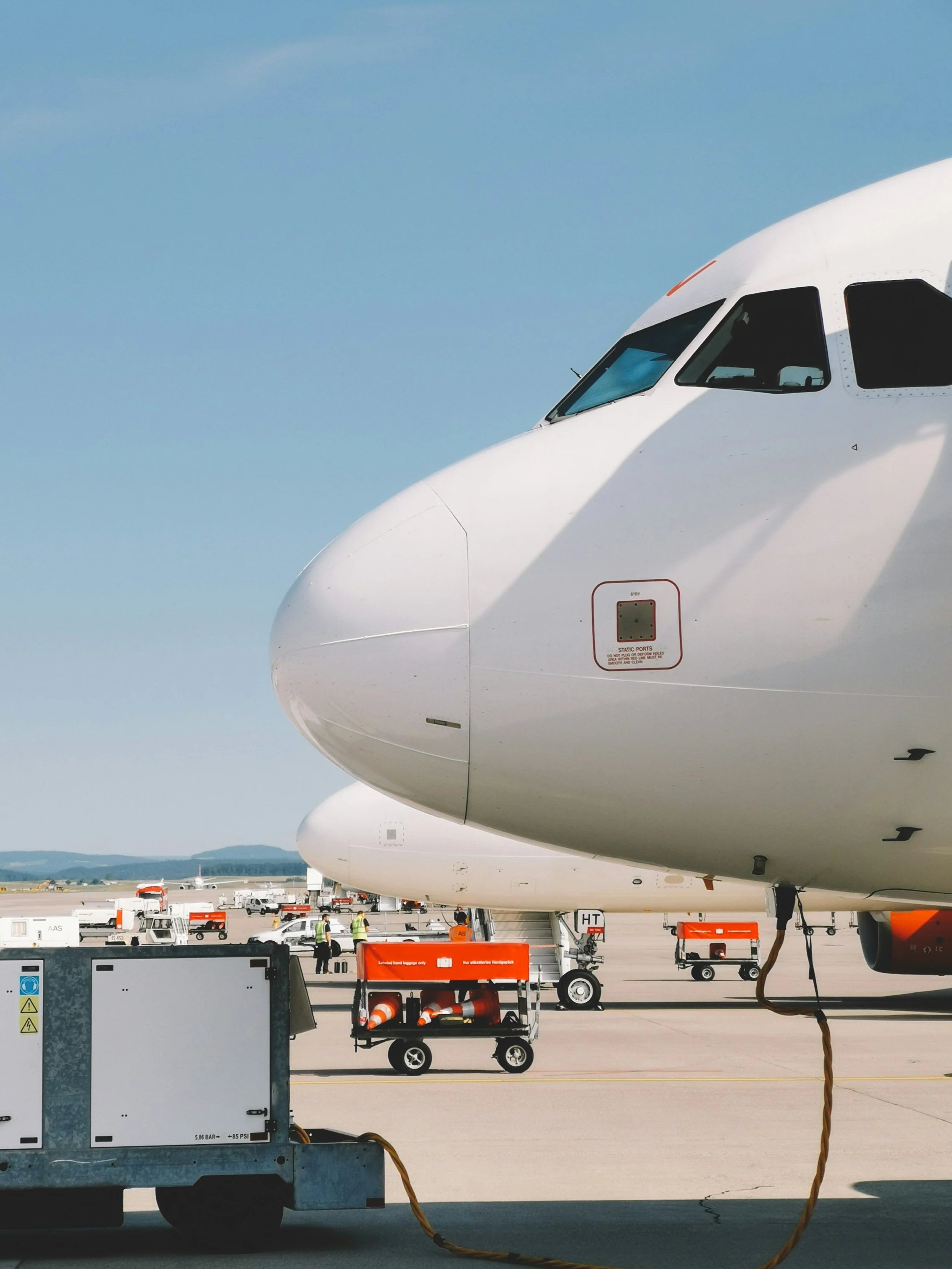
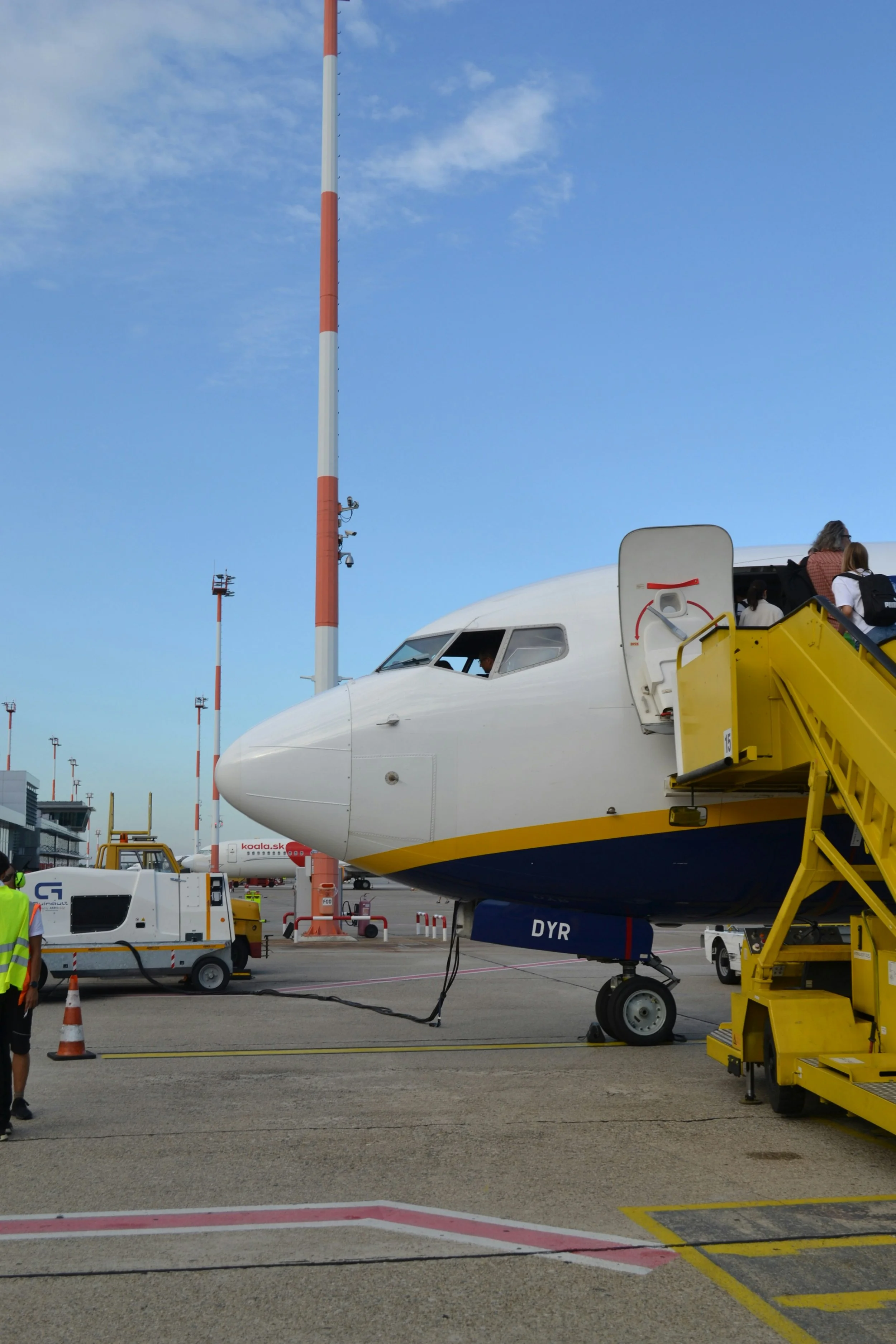
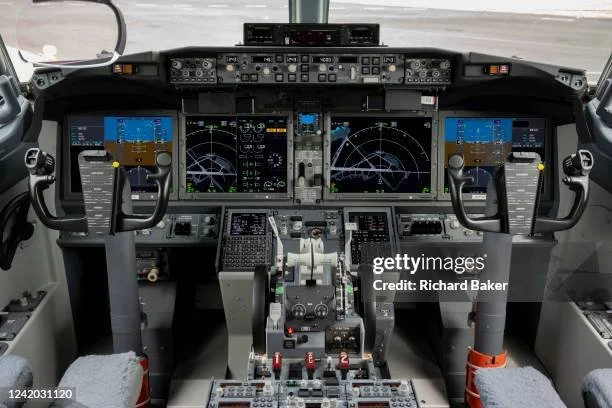
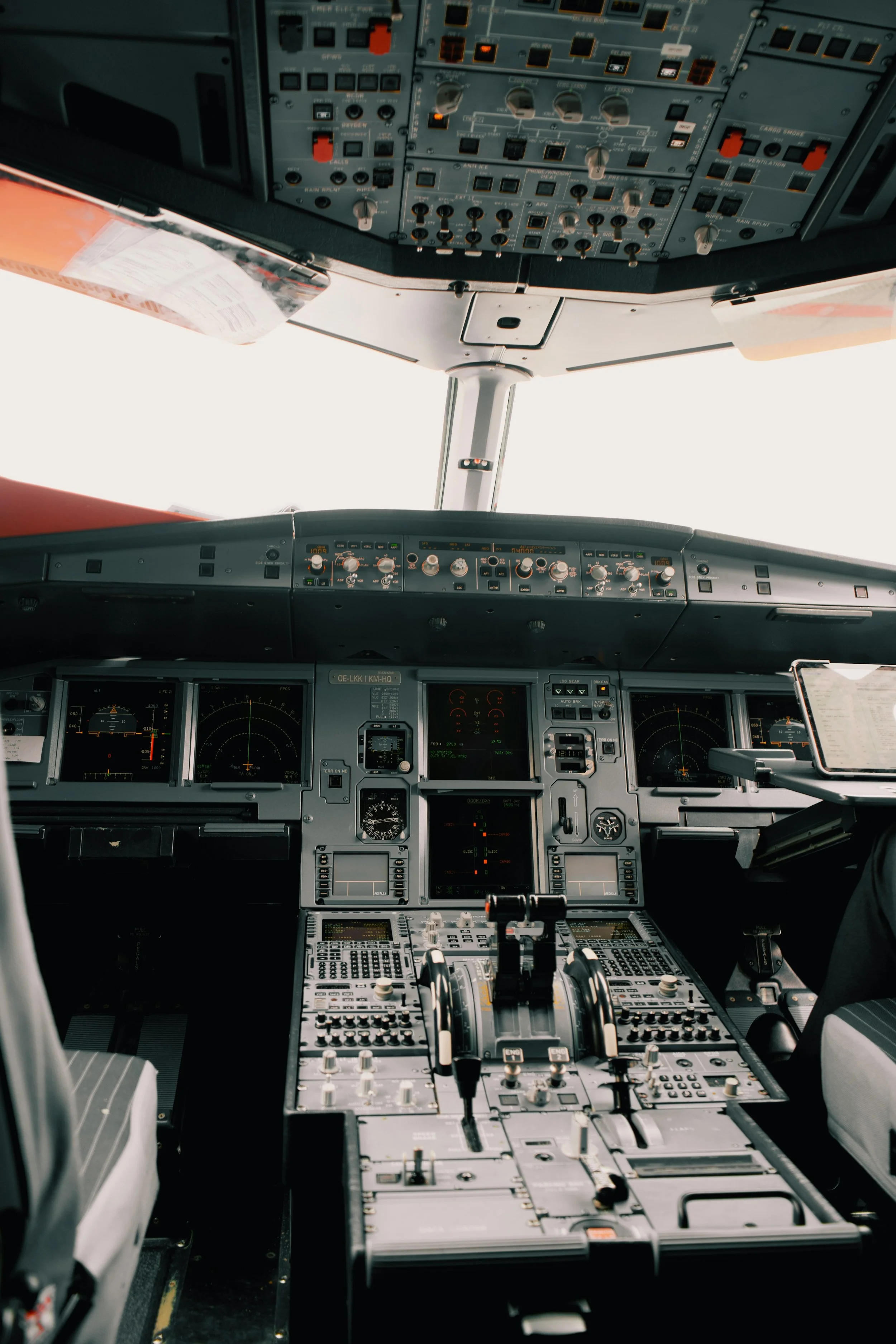
They are some key differences between Airbus and Boeing planes. Airbus choose to take a more technology driven path with having a fly by wire system in their planes which replaces mechanical linkages in the plane like pulleys, cables, and rods to control the play with electrical wires which allows computers to process pilot inputs and help make corrections to make to safest flight possible. Boeing on the other hand stick with the traditional pilot control over the plane and give more control to the pilot. A big part of this is the difference in the flight controls. Airbus has gone with a side joystick in their planes to make more precise movements and adjustments mid flight. Boeing have stuck with the traditional yoke inside their cockpits staying with their traditional way of work. There is also great differences that you can spot form the outside of the plane to be able to identify what plane is what based on the design preferences of the company’s.
Private civilian planes
There is a multitude of private aircraft from small Cessna’s like the 172 for flight training to the Air Tractor AT-802 that does crop dusting. Each aircraft is used in many different ways to suit the specific need of the owner of the plane. Many of these aircraft are used for non commercial use such as personal transportation, business travel, and pilot training.
The most used and most produced plane ever is a private civilian plane. The Cessna 172 Skyhawk is most likely the plane you would start your aviation journey in, starting at a small flight school or with a lone flight instructor there will definitely have one ready to go out of the hangar. The 172 has many uses with the main one being flight training since its the best planes to start learning to fly in, other uses may include personal and business travel, aerial patrol, and in search and rescue roles throughout Canada. Other small private planes like the 172 are other great options to use to fly. The Cirrus Vision Jet has become a very popular option on the private plane market especially for those who just want a plane to fly with their family because it has room for 7 people which makes it perfect for personal use and travel.
There is also bigger private civilian planes like the Cessna 208B Grand Caravan or a private business jet like the Cessna Citation CJ or the Gulfstream G650. The Cessna Grand Caravan is used for many different opertunnities because of the size of the plane it is big enough for specialized mission but small enough to get it done well. Some use cases that the Grand Caravan may be used in is passenger and cargo delivery, special missions such as air ambulance, parachuting, and humanitarian relief. It is also great for research since it can be equipped for geological surveys, capturing magnetic, gravimetric, and spectrometer data. It can also be used in remote locations since it can land virtually anywhere as long as it is long enough because it has a rugged design and multiple landing gear options. The Cessna Citation CJ and Gulfstream G650 are some of the most common private jets on the market because they are both great at what they provide for. The Cessna Citation CJ is designed for shorter flights up to 1000 nautical miles with passenger availability of 5-8 making it perfect to customize for private use. On the other hand the Gulfstream G650 is a great long range private jet with the best model being able to get up 7000 nautical miles worth of distance.
Military Aircraft
Military Aircraft each have their own purpose which they have been made for. Many or new generations with changes to help with what was wrong with the previous. Most new military aircraft have the most advanced systems in operated into the design so pilots can take full advantage of the technology mid flight. These aircraft are developed under specifications that prioritize mission efficiency, survivability, and performance instead of comfort and fuel efficiency. Majority of these military aircraft include reinforced structures, weapons systems, and electronic warfare capabilities that are designed to aid pilots and make it easier for them to fly.
Fighter Jets
The new fighter jets are some of the most advanced planes in the world currently with new improvements being made everyday to the next generation. These jets are categorized by height thrust to weight ratios, extreme maneuverability, supersonic flight capability’s, and heavily integrated weapon systems. Modern jets such as the F/A-18 Hornet, F-16 Fighting Falcon, and F-35 Lighting II are all known as multi role aircraft. This means that they are not limited to one task such as other military planes. These multi role jets take on missions such as intercepting aircraft that may be in restricted airspace, supporting ground forces, conducting strikes, and gathering information.
A major difference between older and newer fighter jets is the use and applications of advanced computers integrated into the systems of these jets. Modern jets take information from multiple sensors all over the plane and are then able to display it for the pilot to see so they know exactly what is going on with their jet and their surroundings. Another massive difference between older jets and new is the use of stealth technology with the jets. This isn’t new revolutionary technology because they have had this type of stealth tech on a plane from 1983 with the release of the F-117 Nighthawk made by Lockheed Martin Skunkworks. This plane was near impossible to see on radar which made it practically invisible and a perfect stealth bomber since it had a radar cross section of 0.0001 square meters which is 1cm so around the size of a fingernail. Even though it may not be revolutionary technology it is still a big advancement because with the new jet fighter such as the F-35 it is able to be produced way more then the F-117 Nighthawk ever was at the cost of a lower cross section.
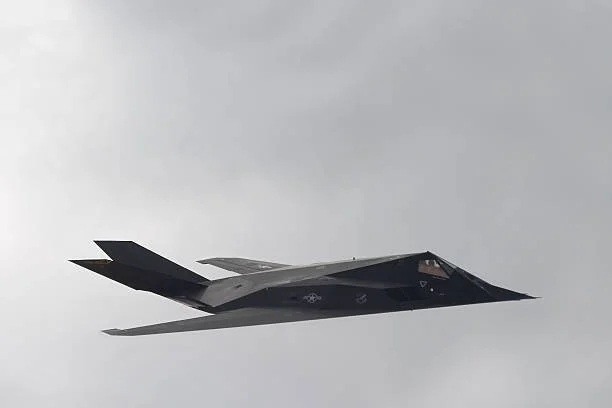
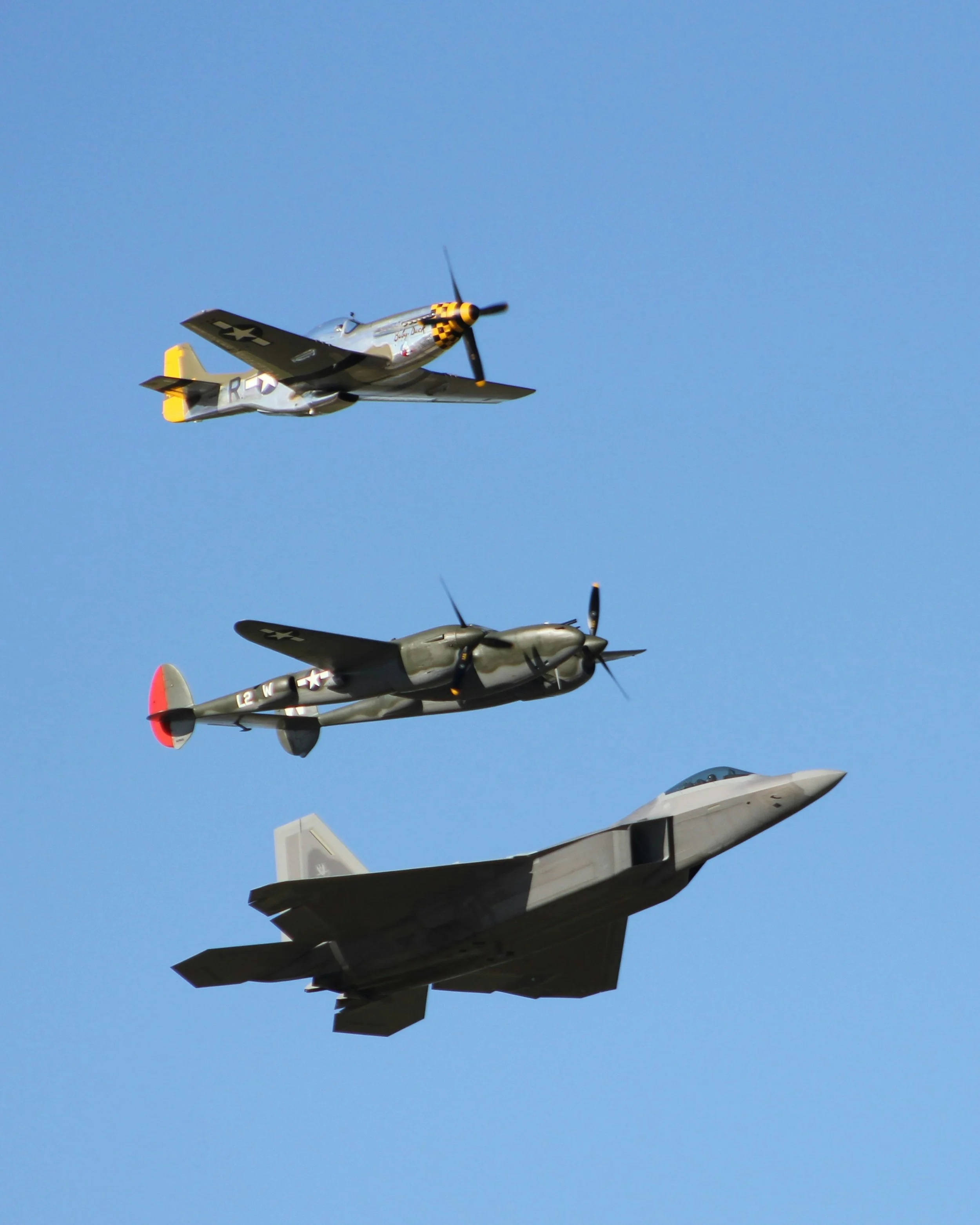
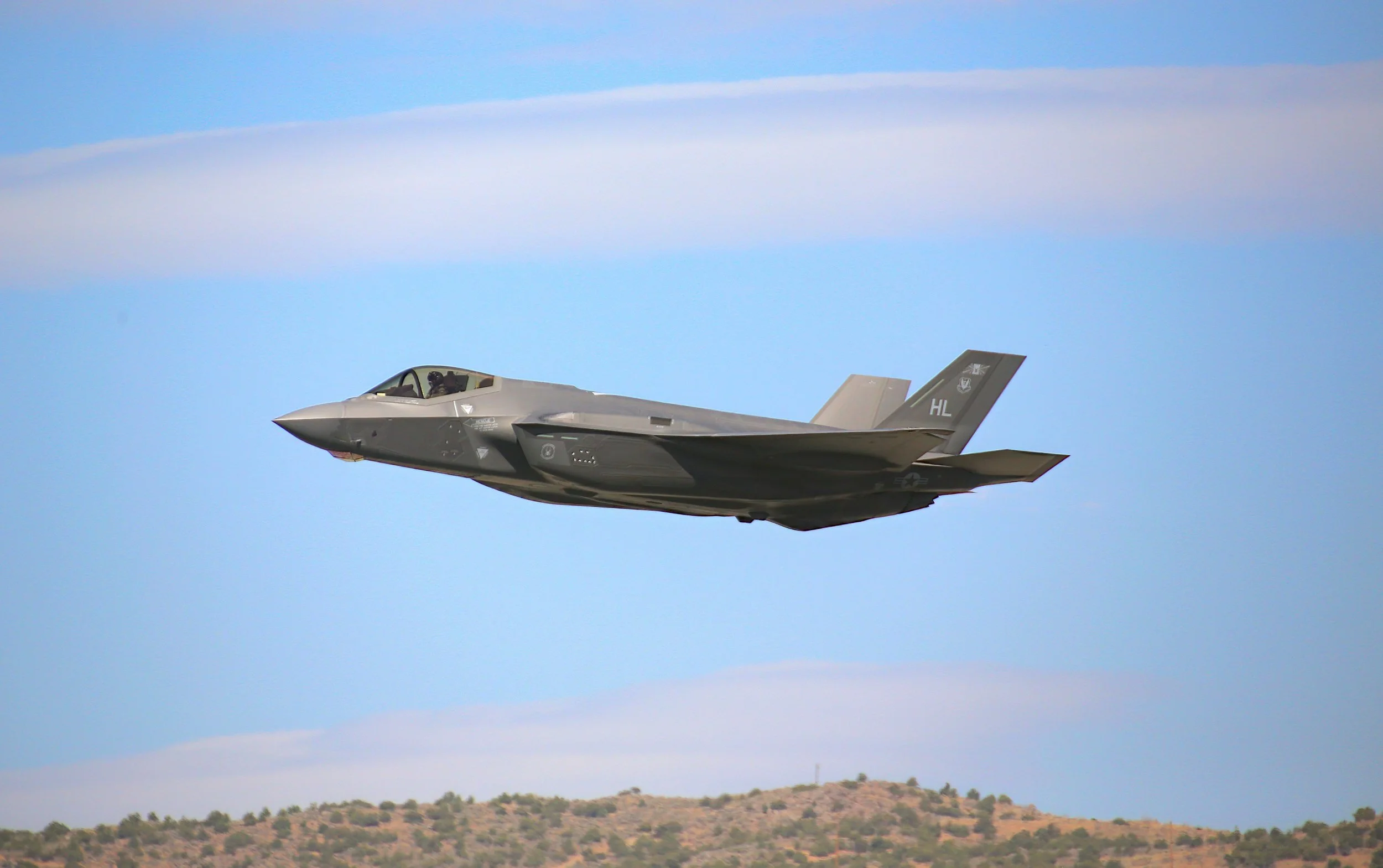
Fighter jets are also another level of flying than a commercial airliner even though it does take years to learn to fly one there are mush more demands that are put on fighter jet pilots then normal pilots. Fighter jet pilots must be able to manage high speeds of over Mach 1 which is faster then the speed of sound, rapid altitude changes, and very complex systems while operating under intense physical and mental pressure. While dealing with all this fighter jet pilots must also be Abel to withstand intense G forces hitting them every time that they change direction in anyway. This G forces can get up to 10g most turns which is 10x the body weight of the pilot in command, so if a pilot was 180lbs and made a 10g turn there would be 1800lbs of force pressing down onto their body all at once.
Although fighter jets are very different then the average civilian aircraft, they are all still based on the same principles of flight with some minor tweaks in the jets.
Other Military Aircraft
While fighter jets are that star of the show when it comes to military aircraft there are a lot of other aircraft that military’s use that are just as important as fighter jets. These planes are primarily used for support rather than combat during missions that need them. Aircraft like these provide transportation, refuelling, surveillance, coordination, and rescue capabilities that allow these military forces to operate effectively over long distances and extended periods when necessary.
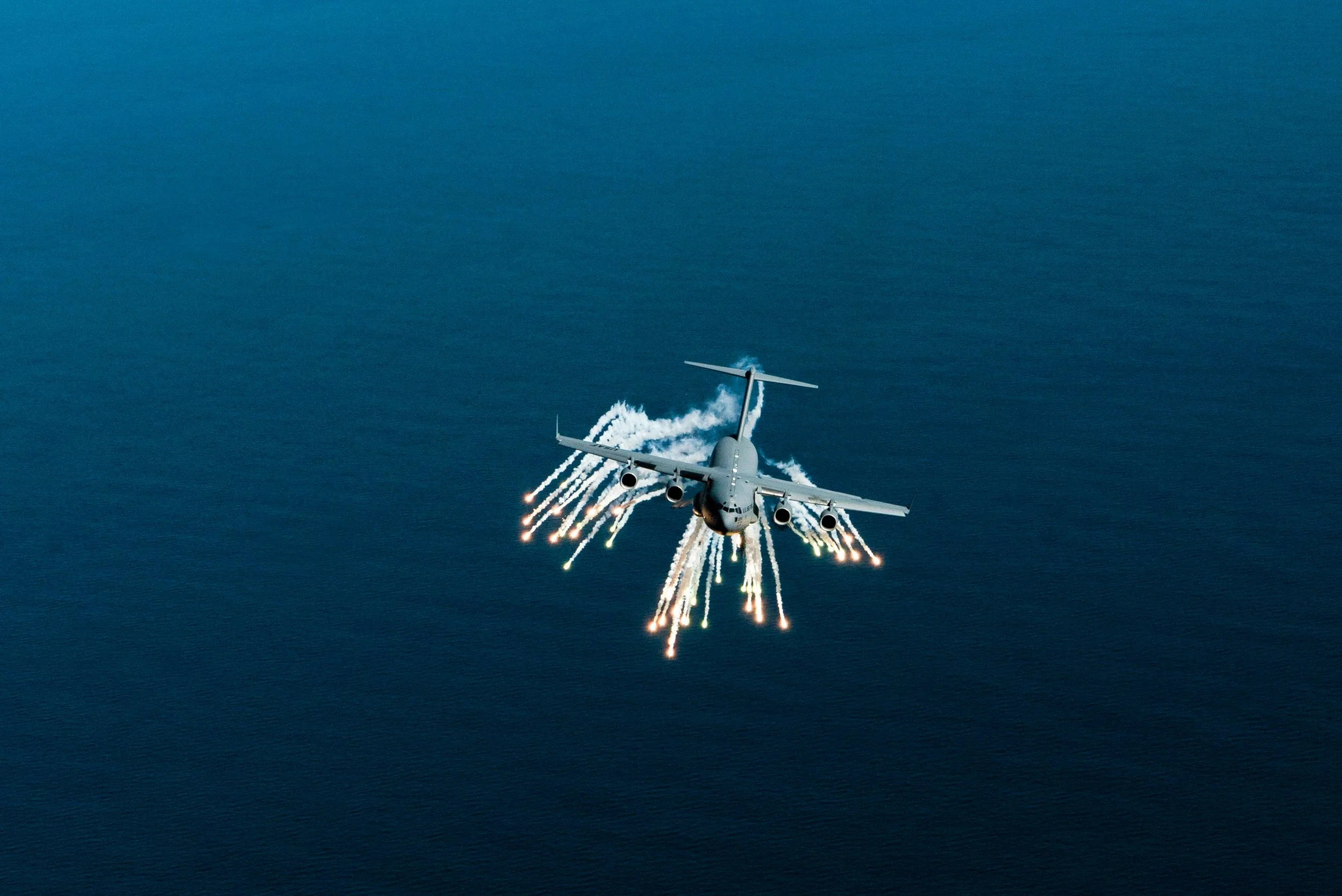
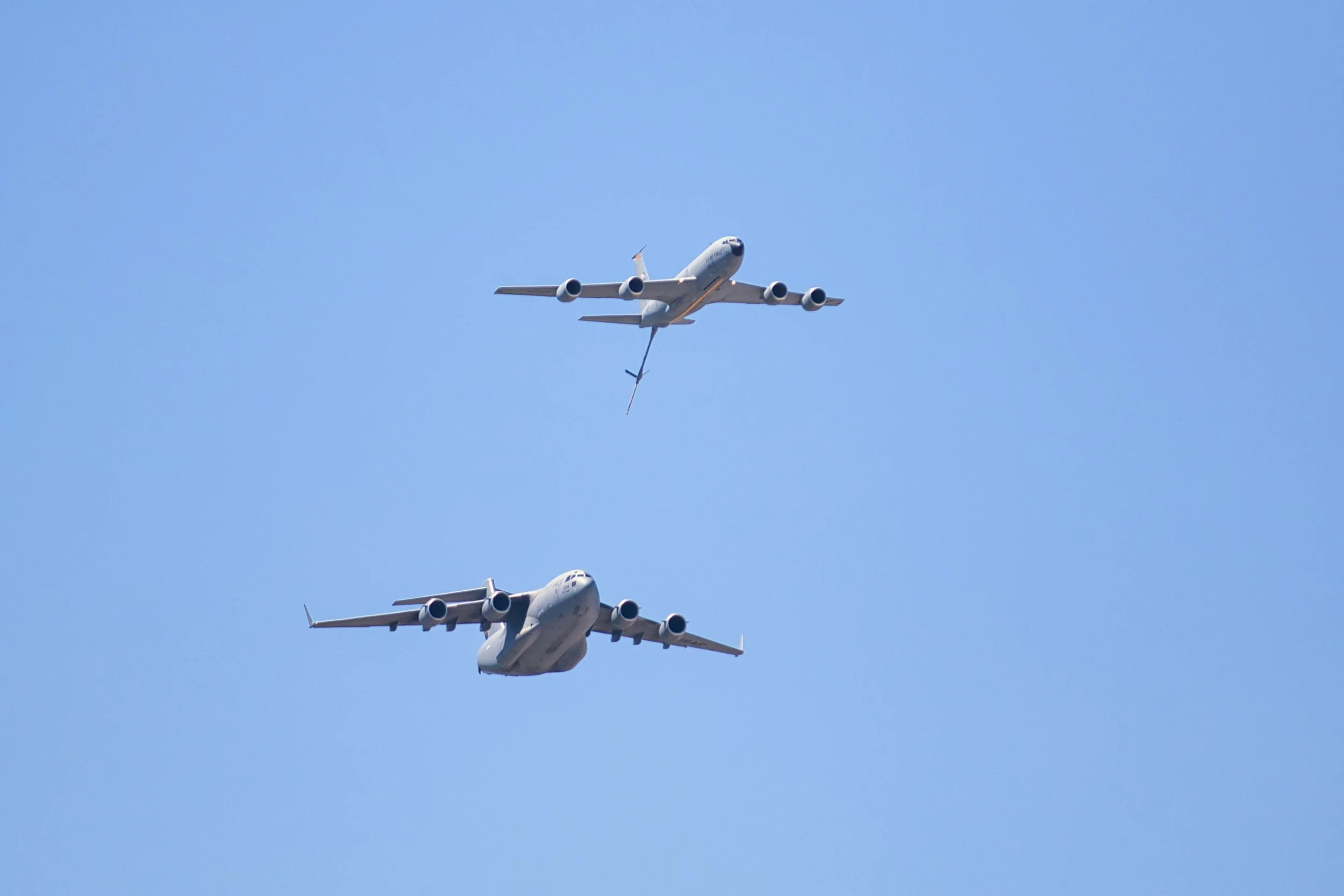
When aircraft are used for transportation in the military they are used to move personnel, vehicles, and supplies being the main use cases. Aircraft that would be used for these types of missions would be the C-130 Hercules and the C-17 Globemaster III because these planes have been designed to be able to carry heavy loads and Abel to operate out of short or unprepared runways. These aircraft are essential for troop deployment, humanitarian missions, disaster relief, and delivering supplies to remote locations that military’s may be in certain cases. Another big part these planes aid in is refuelling. Aircraft that do these types of refuelling missions may be the KC-135 Stratotanker and KC-46 Pegasus which are massive planes with one design which is to refuel. These planes are able to refuel fighter jets and other aircraft mid flight so they can keep their mission going with no stops on the way interrupting their mission. This extends the range that these planes can go without having to take a break and land making them all more efficient.
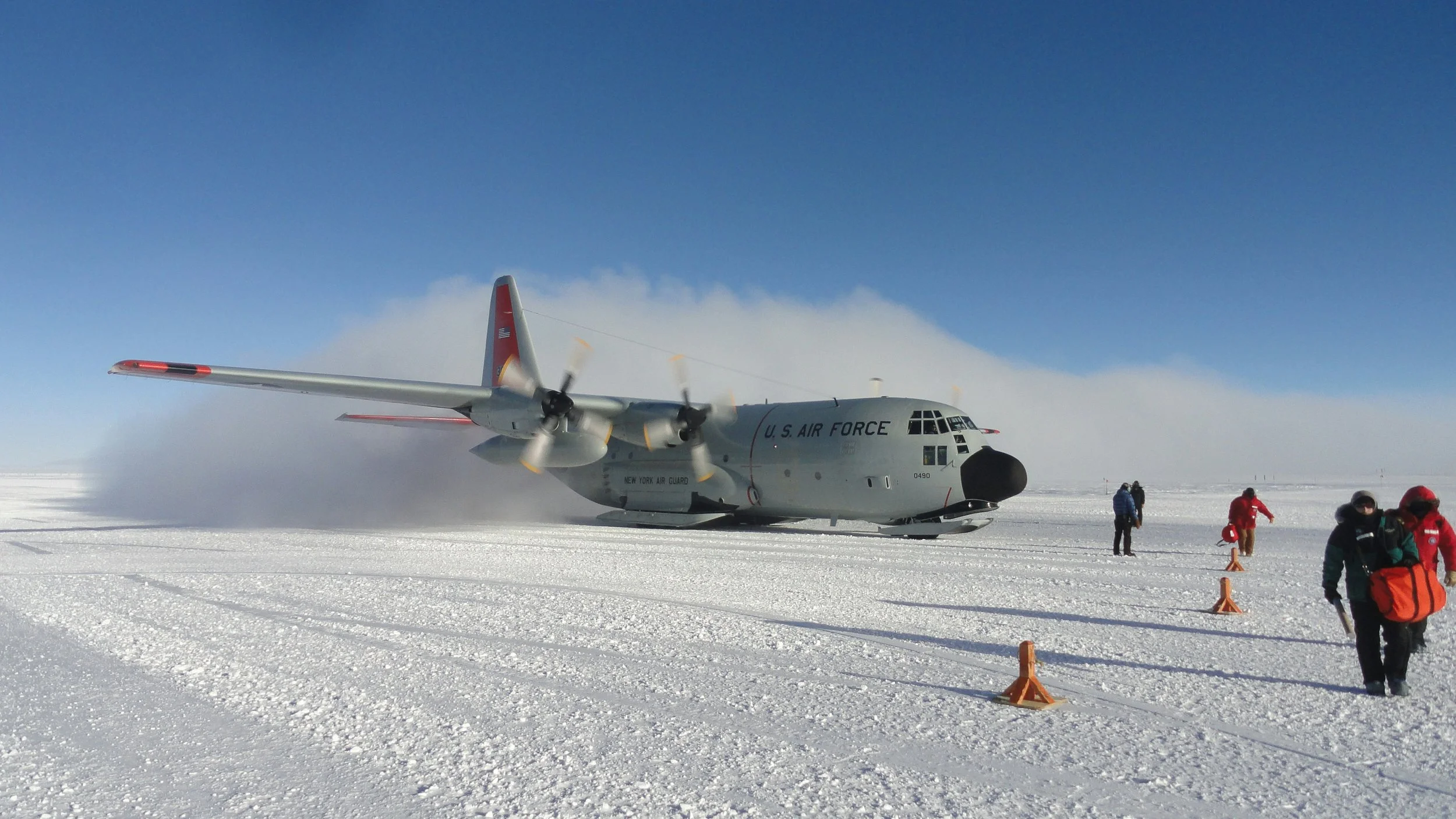
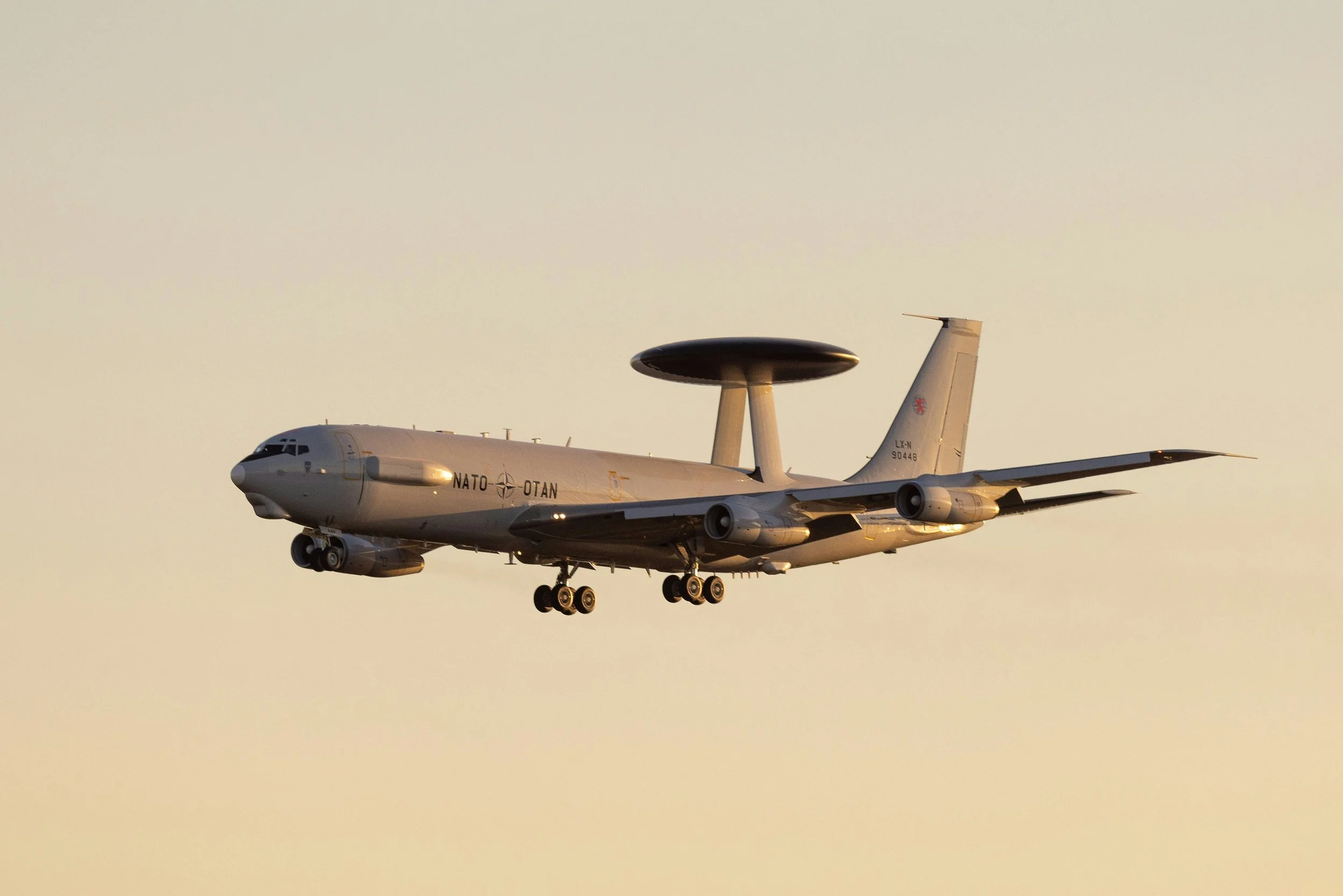
Military forces also rely a lot on surveillance and reconnaissance aircraft to gather information and monitor activity before going into a mission or during a mission to inform pilots of possible danger. Aircraft such as the E-3 AWACS uses a powerful radar mounted to the back so it is able to be used in ways ground radars can’t.
Together, these support aircraft play a crucial role in military operations and are just as important as the fighter jets that they support.
